
Checking for a Warrant in Fowler
No warrant lookup or police roster comes from the village, so a Fowler warrant check runs through county channels. A call to village hall can still trace the local paper trail.
- Use the 65A Online Warrant Review with a date of birth and a license or case number.
- Call village hall at 989-593-2080 about a local citation or notice.
- Call the 65A traffic desk at 989-224-5151 about a vehicle-code matter.
- Call the sheriff at 989-224-5200 about county service or the jail.
- Search MiCOURT for the docket and any missed date.
Fowler Village Hall and the Citation Path
Founded in 1857, Fowler still governs itself from a village hall on North Main Street, with regular meetings every second Tuesday of the month. The office keeps village records, takes payment on some local matters, and fields questions about ordinance notices. Passing an ordinance and writing a citation takes no court of your own, and that is exactly the setup here. It is why a Fowler ticket lands in St. Johns. The village's contact page carries the address, phone, and message form for reaching the office that holds the local end of the file.
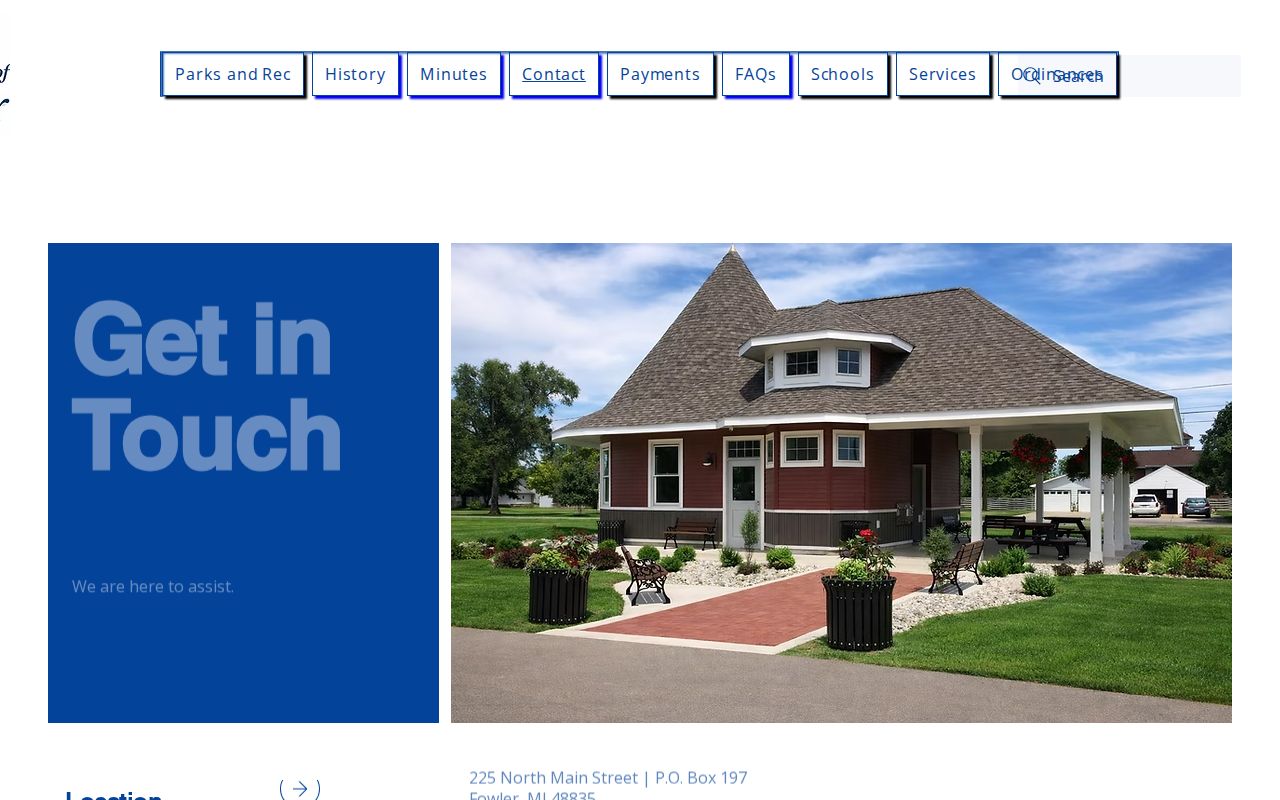
The form is a general contact path, not a warrant status check.
Fowler Police and Municipal Court
Fowler fields no police department and no court of its own. Patrol work falls to the county sheriff or state police, while the 65A District Court decides the cases.
Village of Fowler
225 N. Main Street, P.O. Box 197, Fowler, MI 48835
989-593-2080
Clinton County Sheriff
1347 E. Townsend Road, St. Johns, MI 48879
989-224-5200
The court side for Fowler runs through 65A District Court, at 100 E. State Street in St. Johns.
Who Responds in Fowler Without a Local Police Department
A village with no local force leans on coverage agreements, the Clinton County sheriff, and the state police. The county directory shows fire service for the Fowler and Dallas Township area but lists no village police number. So the officer who writes a citation may not work for the agency a resident expects. Read the citation first, since it names the agency that wrote it. For county service, call the sheriff. In an emergency, dial 911 and let dispatch route the call.
Fowler Warrant Types
Village matters produce the same four labels as any other Clinton County case.
| Warrant Type | How It Arises | Who Issues It |
|---|---|---|
| Ordinance warrant | Unresolved village code or civil-infraction notice | 65A District Court |
| Traffic warrant | Unpaid citation or a missed traffic date | 65A District Court |
| Bench warrant | Missed court date or failure to comply | Judge in the pending case |
| Arrest warrant | Probable cause after a sheriff or state police investigation | 65A judge or magistrate |
Contacting the Agency Named on a Fowler Citation
The agency on the ticket can explain the stop, the report, and whether the case moved forward. It cannot move a court deadline. Start there, then call the court with the case number. A county agency on the notice means the sheriff's office. A state police post means the post listed right on the citation.
Note: Keep the citation and write down the officer's agency, since that detail shortens every later call.
Inside a Fowler Warrant Record
A Fowler village notice turns into a district court file. From that point, the record follows the court's own format.
| Case Number | Court file identifier, for example 123456789 |
|---|---|
| Issuing Court | 65A District Court, or the 29th Circuit for a felony |
| Originating Agency | The sheriff, state police, or agency named on the citation |
| Offense | Ordinance or charge description with its classification |
| Trigger | Missed deadline, unpaid amount, or a criminal complaint |
| Bond or Amount | Figure set by the court, separate from any village fine |
| Status | Active, recalled, served, or paid |
A Fowler Ordinance Ticket Moves to Court
A village citation travels a short road. The officer writes it, Fowler keeps the local record, and the court sets the deadline that counts.
Warrant flow: Village citation › Village record › 65A District Court deadline › Missed answer or appearance › Bench warrant, reset, or recall.
Once a Fowler case reaches the courthouse, village staff cannot push a date back or cancel an order. Only the judge or magistrate can do that.
How Fowler Warrants Fit the County System
Fowler cases flow into the same system serving every Clinton County community. The sheriff patrols places without local police. The district court decides the cases, and felonies go to circuit court.
Warrant flow: Village citation or sheriff report › 65A District Court › County service and jail › Recall, bond, or a new date.
Michigan runs no public statewide warrant search. LEIN stays restricted, and the state's public criminal-history service leaves warrants out. The Clinton County warrant records home page walks through the county steps.
Records Requests for a Fowler Matter
Send each request to the office holding the record. Fowler keeps local notices, the sheriff keeps service and jail records, and the district court keeps the case file. Write to the office that has it, describe the record, and give a date range. County offices use a general FOIA form, and the sheriff takes requests by email at sherifffoia@clinton-county.org.
Note: A request for a warrant event and a recall entry is easier to fill than a request for an entire file.
For records the village itself holds, start at its main site. The Village of Fowler official site is the entry point for those local files.
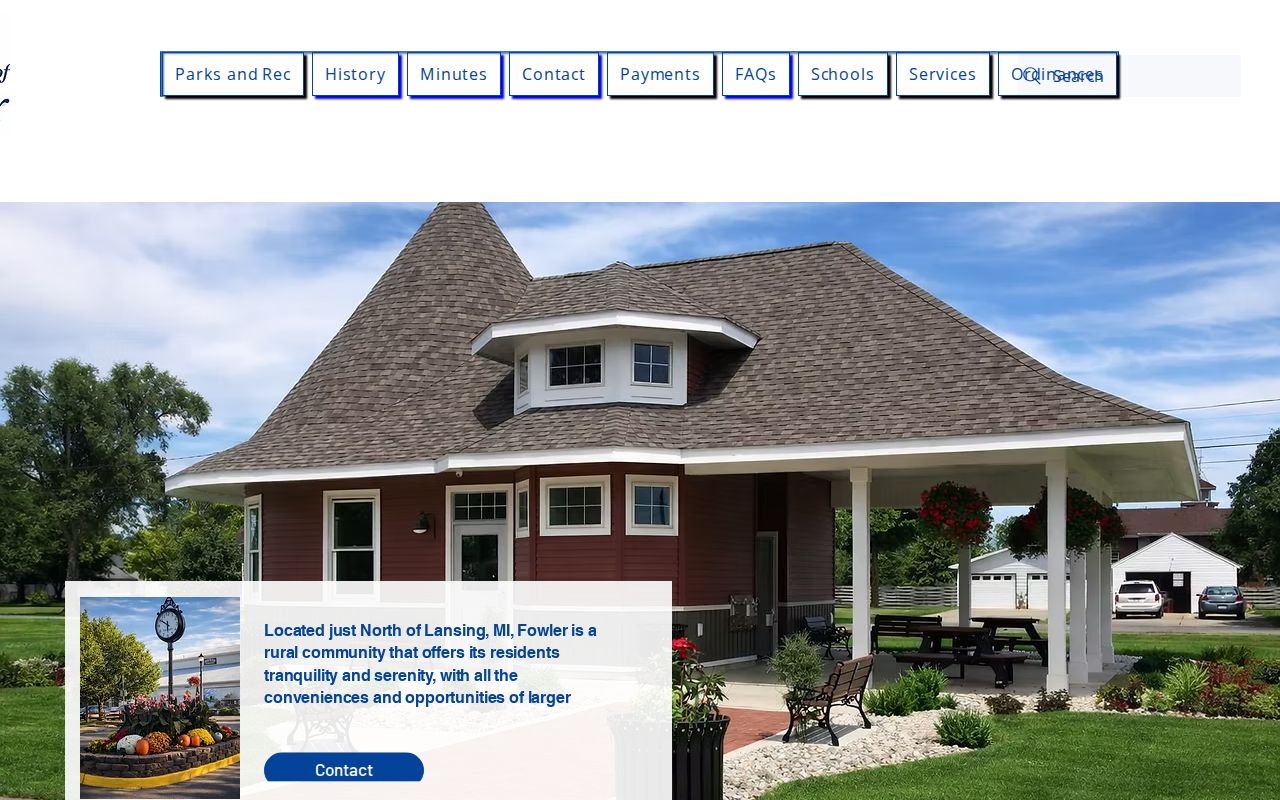
Ask Fowler village hall about a village notice there. Send anything tied to a court case to the district court instead.
What a Fowler Village Can and Cannot Do
A village can pass ordinances, write citations, collect some fines, and keep its own records. It cannot issue an arrest warrant, run a criminal trial, or recall a court order. That limit causes most of the confusion in a small town. Village hall is the right call for a Fowler notice and the wrong one for warrant status. When unsure, ask staff which office owns the matter, and write the answer down.
Fowler Warrant Records and Public Access
Michigan opens local government records to a written request, while court records follow separate access rules. Sealed files, juvenile matters, protected identifiers, and active investigations stay out of view. Fowler requests meet the same limits.
Key Rules:
Michigan Freedom of Information Act - the public right to written access to local and state records.
MCL 15.235 - requests go to a public body's FOIA coordinator.
MCL 15.243 - exemptions, including law-enforcement records.